TL;DR
A Victorian terrace in Old Town and a new-build estate house in Haydon Wick can both end up with a blocked drain — but for almost opposite reasons. Older properties tend to fail because of ageing pipe materials, ground movement, and tree roots; newer estates tend to fail because of how the system was installed and connected in the first place. Knowing which category your property falls into makes it much easier to know what to watch for — and requesting a survey online settles it either way.
Two Swindons, Two Drainage Stories
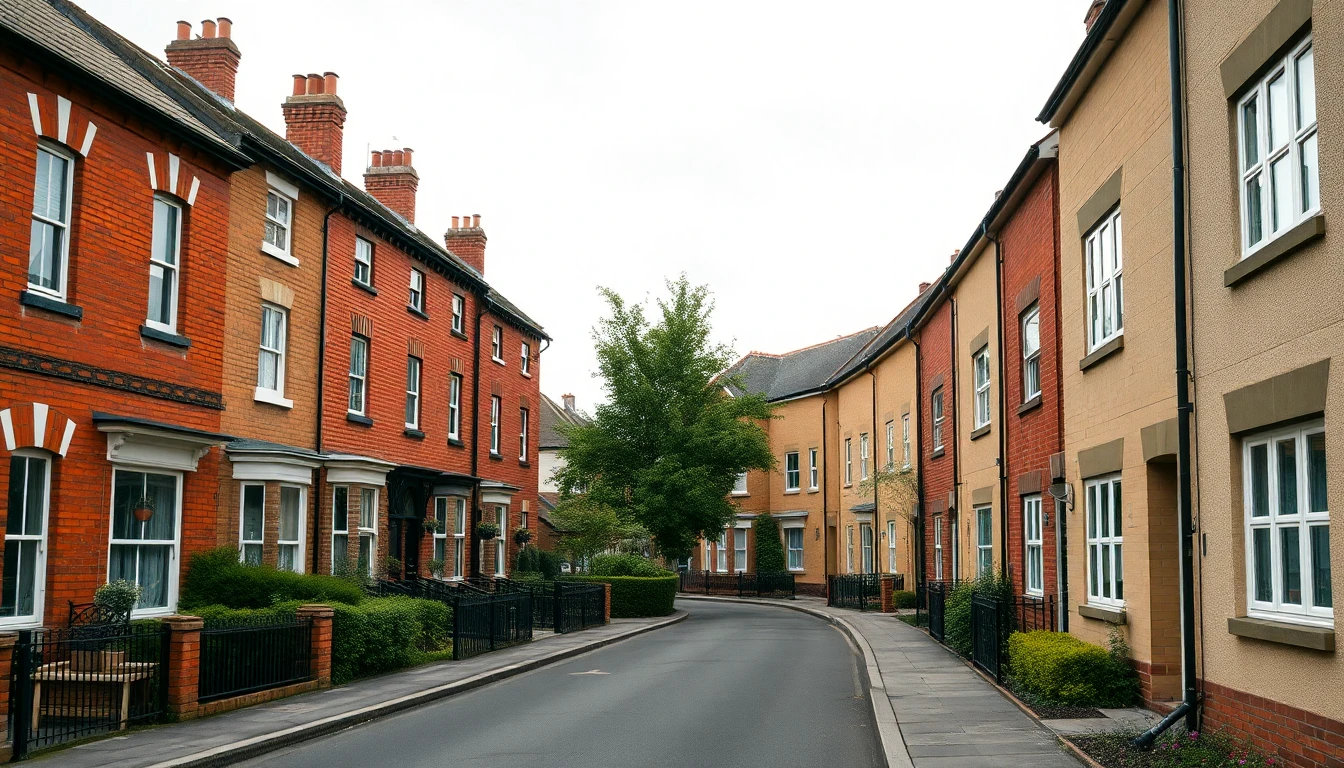
Swindon's built environment spans well over a century, from the GWR railway-era terraces that grew up around the original works, through inter-war and post-war estates, to the large new-build developments that have expanded the town's northern and eastern edges over the past two decades. Each generation of housing was built to the drainage standards, materials, and expectations of its own time — and each generation now shows a distinctly different pattern of drainage problems as a result.
The Railway-Era Terrace Problem
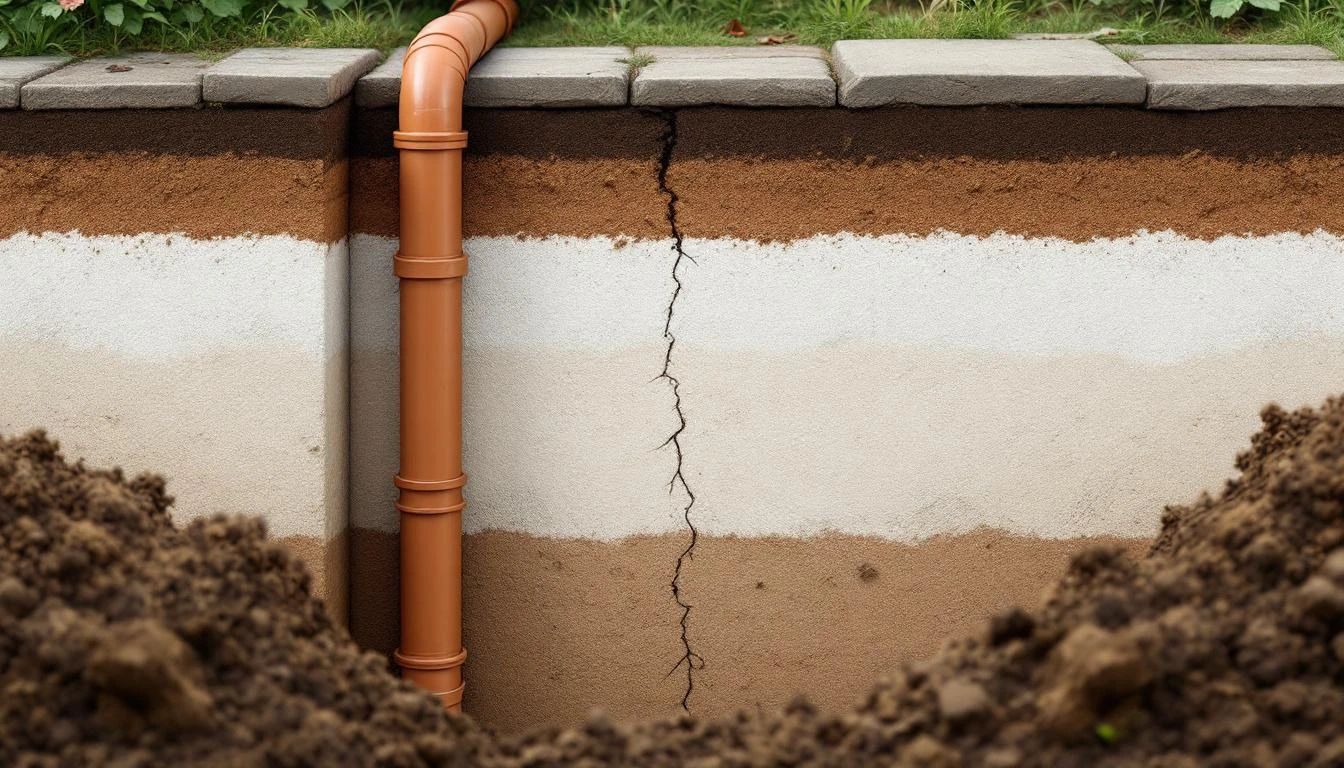
In Old Town, Gorse Hill, Rodbourne, and Walcot — streets built during Swindon's rapid growth as a railway town — drainage systems are frequently original or only partially updated. Clay pipework, and in some later interwar streets pitch fibre pipe, was standard for decades and is now well beyond its intended service life. These materials crack, deform, and develop displaced joints as the ground beneath them moves — a process our guide to Swindon's chalk and clay geology explains in more detail.
Mature street trees, a defining feature of many of these older neighbourhoods, compound the problem. Roots grow toward any available moisture, and a hairline crack or a slightly displaced joint in an old clay pipe is exactly the kind of opening they exploit. The result, over years, is a pipe run that blocks with increasing frequency as root mass builds up inside it — often mistaken for a simple recurring blockage rather than the structural problem it actually is.
The New-Build Problem
On the newer estates around Haydon Wick and the north of the town, the pipework itself is younger and generally in far better structural condition — but new-build drainage carries its own set of risks, mostly related to how the system was installed and connected rather than material age.
Misconnections — where a foul waste pipe is mistakenly plumbed into the surface water drainage system, or vice versa — are a recognised issue across UK new-build developments, and can go unnoticed for years until a specific symptom, such as a foul odour from a surface water outfall or a surface drain that never seems to run clear, draws attention to it. Surface water discharge on newer developments also falls within the Environment Agency's General Binding Rules for small sewage and surface water discharges, which set out the standards a soakaway or surface water outfall needs to meet — rules that matter more on newer estates, where attenuation systems and shared surface water infrastructure are far more common than on older streets that simply drain to a combined sewer.
Installation-level defects — a joint not fully pushed home, a pipe laid with insufficient fall, or bedding material that settles unevenly under a new driveway — are the other common cause on new estates. These tend to show up within the first few years of a property being occupied, often while a new-build warranty is still active, which makes an early CCTV survey particularly worth having if a new-build drain starts behaving oddly.
Modern estates are also far more likely to include sustainable drainage systems (SuDS) — permeable paving, attenuation ponds, or underground storage tanks designed to slow surface water down before it reaches the sewer. These systems are a genuine improvement on older combined drainage, but they add extra components that can silt up or fail if they aren't inspected occasionally, which is one more reason a five-year-old house isn't automatically free of drainage issues just because everything is new.
How to Tell Which Kind of Problem You Have
The only reliable way to know which category a property's drainage problem falls into is to look inside the pipe. A CCTV drain survey shows root ingress, joint displacement, and pipe deformation clearly and unambiguously — the classic signature of an older terrace. It will just as clearly show a misconnection, an installation defect, or a poorly bedded joint — the classic signature of a newer estate. For anyone buying a property in either kind of street, a pre-purchase drain survey is the only way to know which of these you might be inheriting before you exchange contracts.
What This Means for Maintenance in Either Case
The right maintenance approach genuinely differs depending on which Swindon your property sits in. Older terraces benefit from treating a recurring blockage as an early warning sign of root ingress or joint failure, rather than something to keep clearing indefinitely. Newer estates benefit from paying close attention in the first few years of occupation, when installation defects are most likely to surface and warranty cover may still apply. Our general drain maintenance guide for Swindon homeowners covers the everyday habits that help either type of property, regardless of age.
Find Out What You're Dealing With
Whether you're in a hundred-year-old terrace or a five-year-old new-build, request a quote online for a CCTV drain survey and we'll tell you plainly what's happening in your pipework and what, if anything, needs doing about it. We cover Swindon and the surrounding Wiltshire area, including Blunsdon.