Outside drains block more often than most people realise, and in most cases you don't need to call anyone. A bit of rubber glove confidence, some washing soda crystals, and a garden hose will sort out the majority of blockages on a Sunday afternoon. This guide walks you through everything — from diagnosing what you're dealing with, to the right home remedies for a blocked drain pipe outside, to the handful of situations where a professional jetting unit really is the right tool.
Why do outside drains block?
Understanding the cause helps you choose the right fix. The most common culprits are:
- Autumn leaves and garden debris — the classic one. Leaf fall clogs gully gratings fast, and debris compacts down over winter.
- Kitchen grease from a standpipe — if your kitchen standpipe drains outside, fat and grease from cooking cool rapidly and solidify in the pipe.
- Silt and soil ingress — heavy rain washes fine soil into surface drains, and it settles at the bottom over time.
- Tree roots — mature trees send roots towards any available moisture. Even a hairline crack in an older drain pipe is an invitation.
- Structural failure in older pipes — pitch fibre and clay pipes installed decades ago can deform, collapse, or have joints that have shifted. Water (and debris) pools at those low spots.
- Moss and algae on drain covers — this one surprises people. A heavily fouled cover restricts flow before water even reaches the pipe. Worth cleaning when you're out there anyway.
What you'll need
You probably have most of this already:
- Rubber gloves — proper, long ones. Non-negotiable.
- A bucket (for debris, not glamour)
- Old clothes you don't mind ruining
- Garden hose with a decent pressure setting
- Washing soda crystals (sodium carbonate — sold in most supermarkets near the laundry aisle, about £2 a bag)
- A kettle of freshly boiled water
- Drain rods — optional, but useful for deeper blockages. You can hire a set from most tool hire shops for around £15 a day if you don't own any.
How to unblock an outside drain — step by step
1. Put on your rubber gloves — no negotiation on this one. Outside drains can contain anything. You're not going in bare-handed. Long household or gardening gloves are ideal.
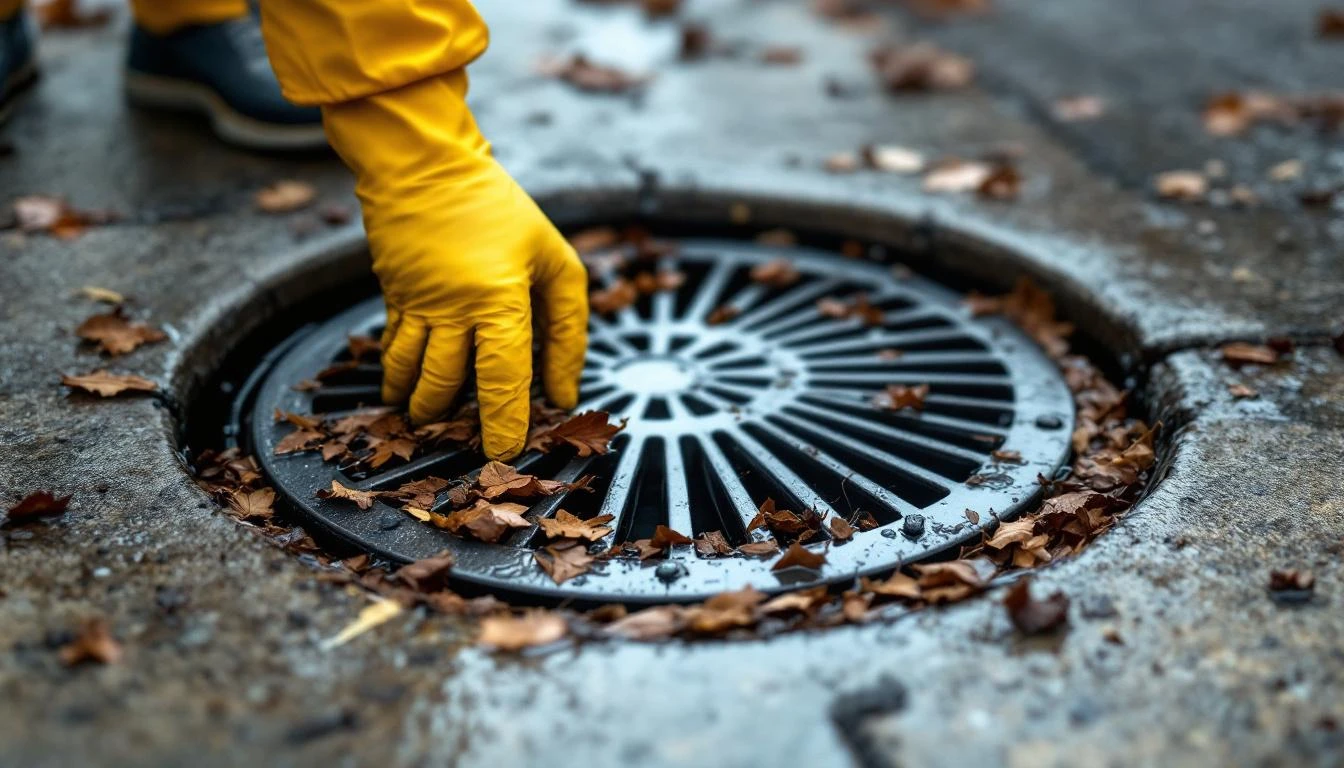
2. Remove the drain cover. Most gully covers lift with a square drain key, but a large flathead screwdriver into the lifting slots works perfectly well. Some covers are flush-fitted and need a bit of leverage — keep a screwdriver nearby.
3. Check what you're dealing with. Peer in and assess. Is the blockage right at the surface — leaves, sludge, visible debris? Or does the water level sit high, suggesting the blockage is further along the pipe? Knowing the level tells you which remedy to reach for first.
4. Remove visible debris by hand into the bucket. Scoop out leaves, compacted muck, and anything else sitting in the gully pot. It's unpleasant. It also removes a large chunk of the problem in most cases.
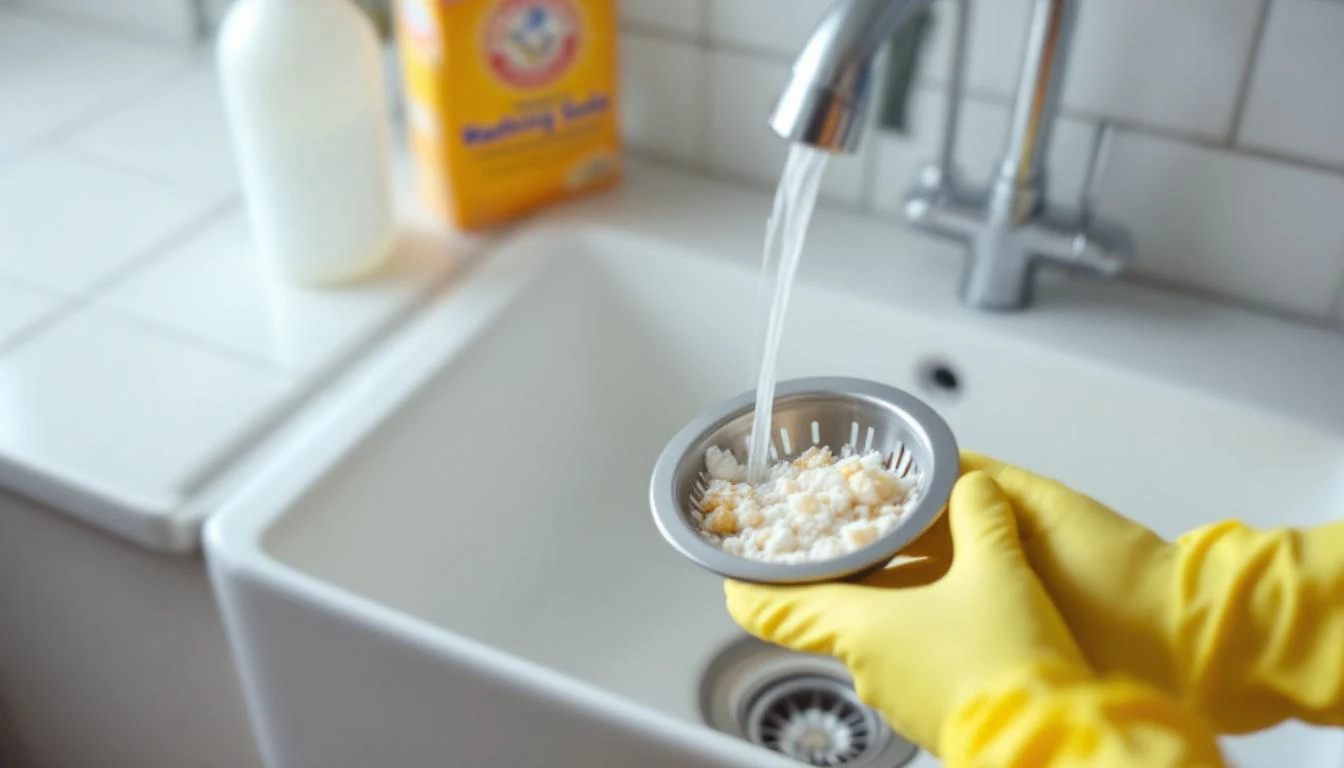
5. For surface gully blockages: boiling water and washing soda crystals. This combination is genuinely effective for grease-related blockages and compacted debris. Pour half a bag of washing soda crystals directly into the drain, then slowly pour a full kettle of boiling water on top. The science: sodium carbonate is strongly alkaline and saponifies fats — it essentially turns grease into a soap-like substance that flushes away. Leave it for 10–15 minutes, then follow up with another kettle. You'll often see the water level drop as the blockage shifts.
6. Use your garden hose to push the blockage through. Set the hose to a concentrated jet, push it a short distance into the drain opening, and let the downward pressure do the work. Work it back and forth a little. This shifts loosened debris through and towards the main sewer. Don't be surprised if water initially backs up — that's normal, and it usually clears within a minute or two as the blockage gives way.
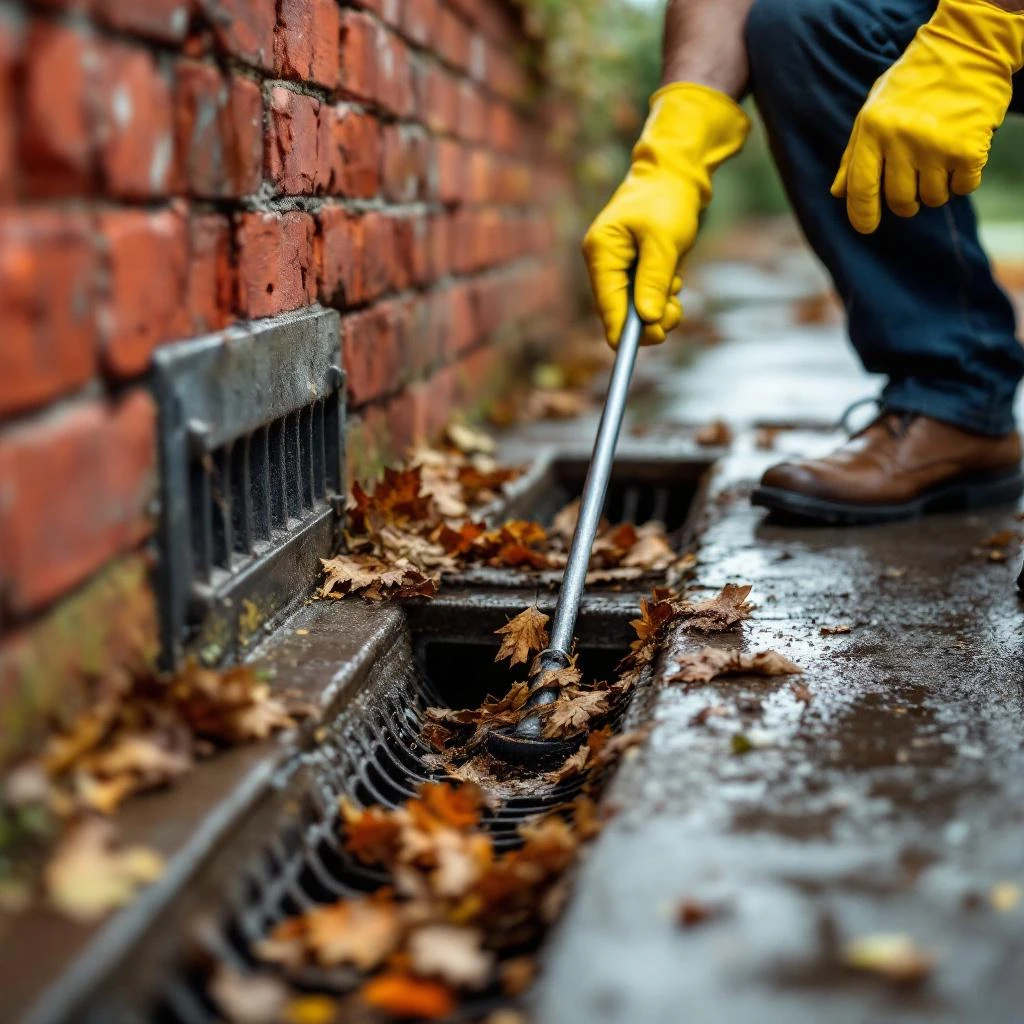
7. For deeper blockages: bring in the drain rods. If the garden hose doesn't shift it, a set of drain rods will. Screw the sections together as you feed them in — and this part matters: always rotate clockwise. Rotating anticlockwise unscrews the rod sections inside the pipe and you'll lose them in the drain, which creates a much worse problem. Use a plunger head for compacted blockages, or a scraper head to break things up. Work with a firm, steady pressure and keep turning clockwise.
8. Test it: the bucket of water test. Fill a bucket with water and tip it steadily into the drain. Watch it disappear. If it drains freely with no backing up, you've cleared it. Job done. If water still sits there, repeat steps 5–7 or consider whether you're dealing with a blockage further down the shared drainage run.
Clearing a blocked outside kitchen drain
A blocked outside kitchen drain deserves its own section because it behaves differently to a straightforward debris blockage. The fat and grease that comes from cooking — even in small amounts — cools quickly in the outdoor pipe run and solidifies. Hot water alone won't touch it once it's set.
Here's what works: add a generous pour (around half a bag) of washing soda crystals to the gully, followed by a full kettle of boiling water. Don't rush it — let the alkaline solution sit and work for at least 15 minutes. Then flush through with a second kettle. The sodium carbonate breaks the fat down into something water-soluble, and the heat keeps it liquid long enough to flush away.
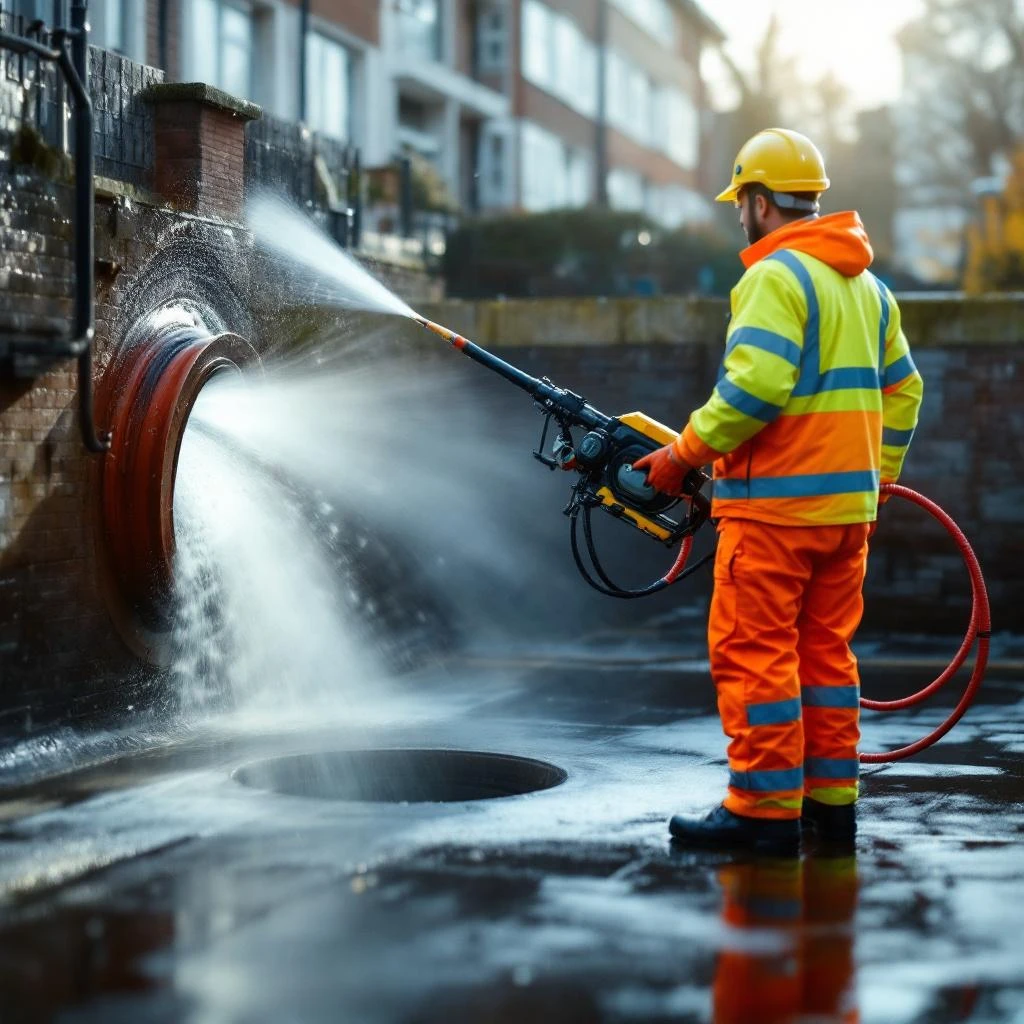
If two rounds of that don't shift a blocked outside kitchen drain, professional high-pressure jetting is the right next step — not more chemicals. Solidified grease responds well to the combination of heat and pressure that a jetting unit delivers. Chemical drain cleaners are largely ineffective on solidified fat and can damage older pipework.
My garden drain is blocked — seasonal tips
If you have a garden drain that blocks repeatedly, a bit of seasonal attention saves you a lot of bother:
- Autumn — clear drain covers before the main leaf fall, not after. A blocked gully in November means standing water on your patio every time it rains. Check and clear gullies in October.
- Spring — lift and flush gully pots after winter. Silt, decomposed leaf matter, and debris from cold-weather runoff all settle at the bottom over the colder months. A quick flush in March or April sets you up well.
- Year-round — keep a drain cover key hanging by the back door. If you can lift the cover easily, you're far more likely to do a quick quarterly check. It takes five minutes and it matters.
- After heavy rain — worth a quick visual check that surface water is flowing away from the house rather than pooling near walls. A garden drain blocked with debris after a storm is an easy fix if you catch it early.
When home remedies won't work
Most outside drain blockages respond to the steps above. But there are some situations where DIY is the wrong tool for the job:
- The blockage comes back within a week. If you've cleared it and it blocks again quickly, there's an underlying cause — usually root ingress, a structural defect, or a build-up point in the pipe. A camera survey will show exactly what's happening.
- Multiple drains are blocked at the same time. This points to a shared sewer issue or a blockage far further down the system, beyond where your drain rods can reach.
- Sewage or foul water is surfacing in the garden. Stop using water immediately and call a professional. This is a health hazard and usually indicates a serious blockage or pipe failure in the sewer run.
- Drain rods meet solid resistance that won't shift. If you're pushing against something that doesn't give at all, you may have collapsed pipe, compacted root mass, or a foreign object. Forcing it risks damaging the pipe further.
- The drain cover is cracked or missing. A damaged cover isn't just a blockage problem — it's a structural and safety issue that needs proper assessment.
In any of these cases, what you need is a professional with a drain jetting unit and a camera. Jetting shifts what rods won't, and camera footage shows you exactly what you're dealing with before any repair decision is made. Our external drain unblocking team works across Swindon and surrounding Wiltshire.
If the home remedies haven't done the job, Blocked Drains Swindon is here to help. We cover Swindon and the surrounding Wiltshire area with no call-out fee, and our engineers carry jetting equipment on every vehicle. Request a quote online — we'll have it sorted.