Preventing blocked drains is far easier — and far cheaper — than dealing with them after the fact. What a professional callout costs depends on the severity of the blockage and the work involved, and it is always avoidable spending if the blockage never happens in the first place. Most of the blockages that lead to that callout could have been avoided with 10 minutes of periodic attention and a few inexpensive habits. These practical maintenance tips are particularly relevant for Swindon homeowners given the area's clay soils and the age of drainage infrastructure in many parts of the town.
How do you prevent blocked drains?
You prevent blocked drains with five simple habits: never pour fat, oil, or grease down the sink; use a sink strainer to catch food debris; fit a hair catcher in the shower or bath; clear outdoor gullies every autumn and spring; and book professional drain jetting every 12–18 months for older or clay-soil properties.
Kitchen Drain Maintenance
Never Pour Fats, Oils, or Grease Down the Sink
This is the single most impactful drain maintenance habit. Fats, oils, and grease — from cooking, roasting, frying, and washing dishes — solidify in pipes as they cool. A thin film of grease on a pipe wall looks harmless, but it accumulates over weeks and months, catches food particles, and progressively narrows the pipe bore until water can no longer pass through.
Let cooking fat cool in the pan, then scrape it into a sealed container (an old tin or jar with a lid works well) and put it in the general waste bin. A quick wipe of the pan with a piece of kitchen roll before washing removes almost all residual grease.
Use a Sink Strainer Every Time
A simple stainless steel sink strainer costs around £3 and sits over the plughole. It catches food particles, tea leaves, coffee grounds, and other debris before they enter the pipe. Empty it into the bin after every washing-up session. This takes seconds and prevents a significant proportion of kitchen drain blockages.
Weekly Boiling Water Flush
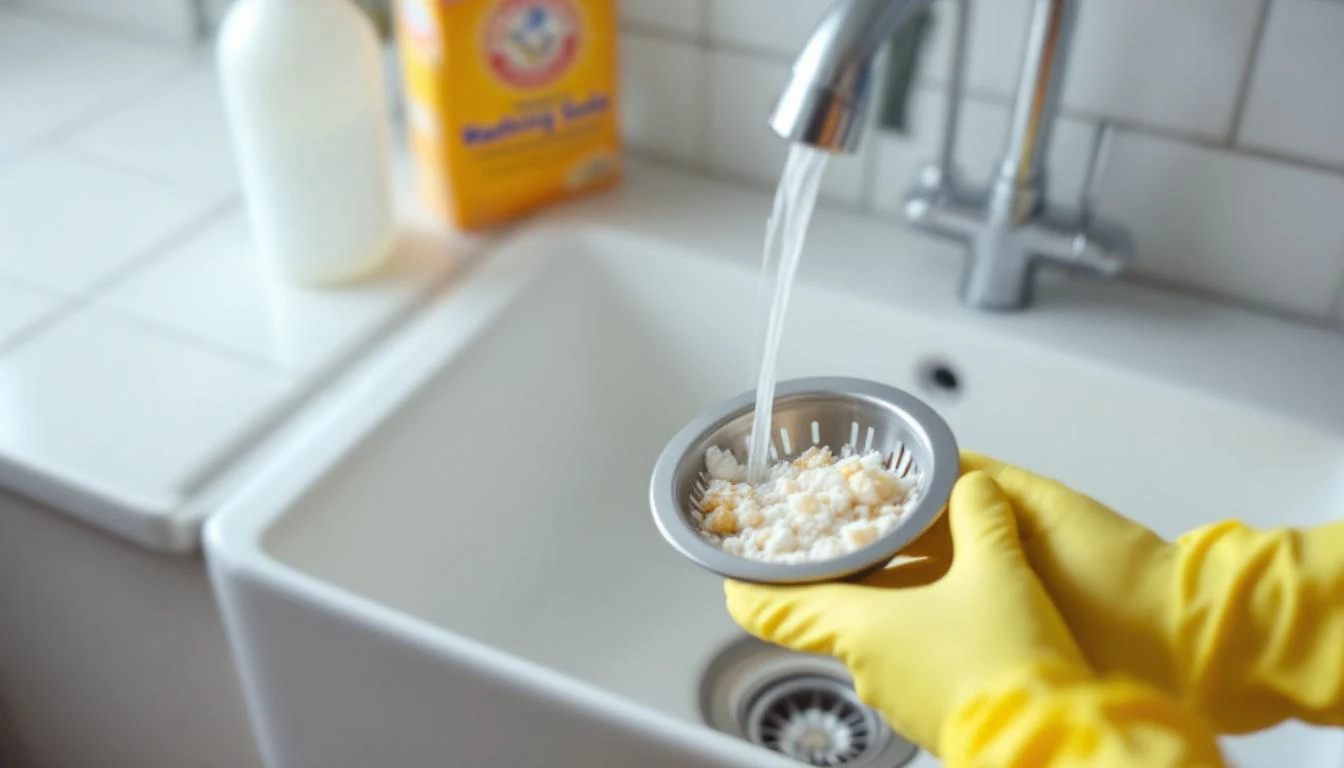
Once a week, slowly pour a full kettle of boiling water down the kitchen drain. The heat dissolves early-stage grease deposits before they become established. For added effectiveness, pour half a cup of washing soda crystals (sodium carbonate, around £2 a bag from any supermarket) into the drain first, then pour the boiling water on top. The alkaline solution breaks down grease chemically, while the heat keeps it liquid long enough to flush away.
Monthly Baking Soda and Vinegar Treatment
Pour half a cup of bicarbonate of soda into the drain, followed by half a cup of white vinegar. The fizzing reaction helps dislodge early debris and neutralises odour-causing bacteria. Leave it for 15 minutes, then flush with boiling water. This is a simple, cheap routine that keeps kitchen pipes smelling clean and flowing freely.
Bathroom Drain Maintenance
Install a Hair Catcher — and Actually Use It
Hair is the leading cause of bathroom drain blockages. A silicone drain catcher sits over the shower or bath plughole and collects hair before it enters the pipe. Clear it after every shower. This takes 5 seconds and prevents the fibrous, soap-scum-bound blockages that make shower drains slow and unpleasant to fix.
Avoid Chemical Drain Cleaners as a Regular Habit
Chemical drain cleaners are strongly acidic or strongly alkaline. Used occasionally to shift a soft blockage they can be effective, but used regularly they damage pipe joints and seals over time — particularly in older clay and pitch fibre drainage systems, which are common across many areas of Swindon. If a drain is persistently slow, the cause is almost certainly structural or physical (a partial blockage or a pipe defect), and chemicals will not address it. Try a drain snake or a plunger first; if the problem persists, call a professional.
Monthly Overflow Check
Run the bath or sink to the overflow level once a month and check the overflow outlet is clear. Overflows clog with limescale and debris and are often completely blocked by the time anyone discovers it. A blocked overflow turns a slow-draining bath into an overflowing one during a moment of distraction.
Outdoor Drain Maintenance
Keep Surface Water Gullies Clear — Seasonally
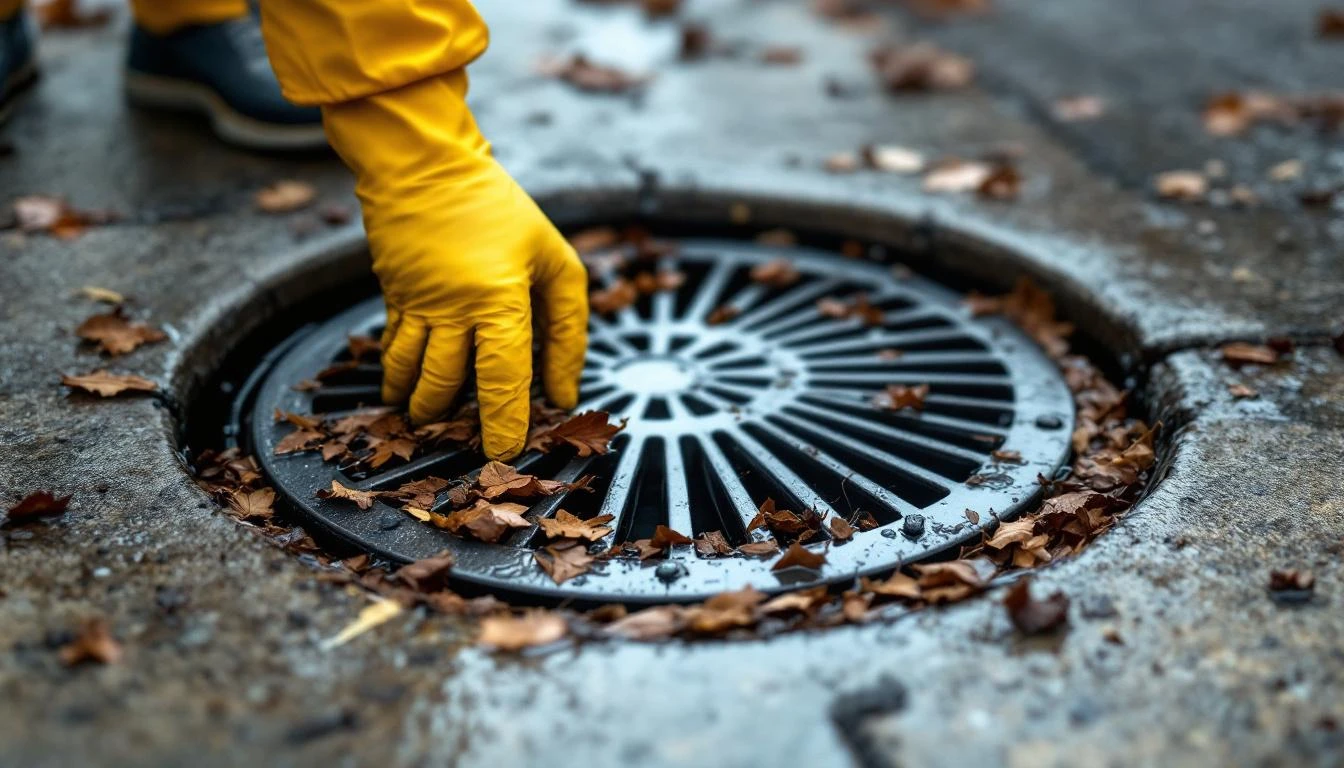
Surface water gullies (the square or circular drain covers set into driveways and patios) collect leaves, moss, silt, and debris washed in by rain. A blocked gully cannot drain surface water, which then ponds against walls, increasing the risk of damp penetration and icy surfaces in cold weather.
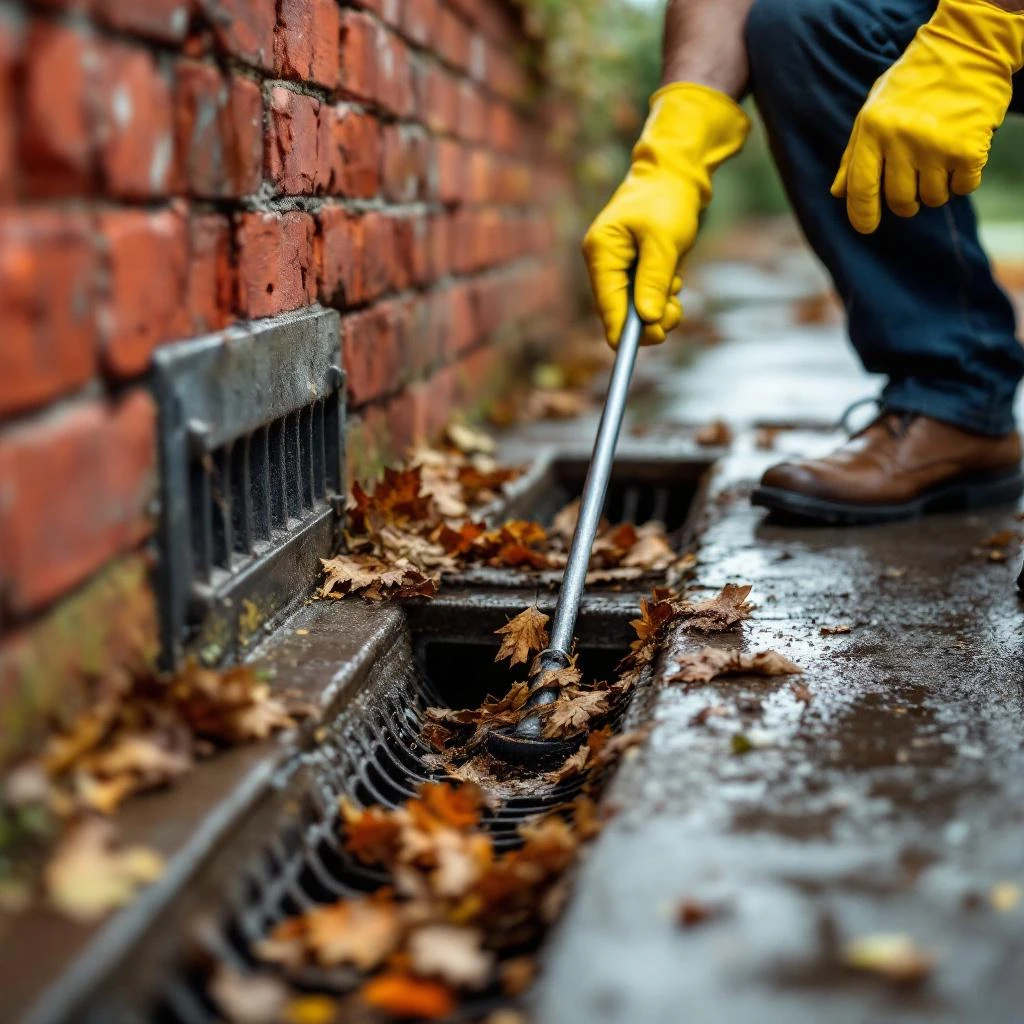
Check and clear gullies at least twice a year — in autumn after the main leaf fall (October or November) and in spring after the wet winter months. Lift the grate, scoop out debris with a gloved hand into a bucket, and flush through with a garden hose. In Swindon's clay soil areas, silting is faster than average — quarterly checks are worthwhile for properties with known drainage sensitivity.
Lift and Check Accessible Manhole Covers
If you have accessible manhole covers on your property (many properties have one in the back garden or driveway), lifting them periodically tells you a lot about your drainage health. A drain running well shows clear water flowing through; a drain running poorly shows debris accumulation, a raised water level, or standing water with a bad smell. If you see signs of backup, call a professional before it becomes a full blockage or overflow.
Manage Trees and Vegetation Near Drain Runs
If you know the approximate route of your drain run and have mature trees within 3–5 metres of it, the risk of root ingress is real — particularly in the chalk-influenced areas of Swindon where ground movement creates the pipe joint gaps that roots exploit. Consider a CCTV drain survey every two or three years if you are in a tree-heavy area with older drainage infrastructure.
Annual Professional Maintenance
Consider Annual Drain Jetting
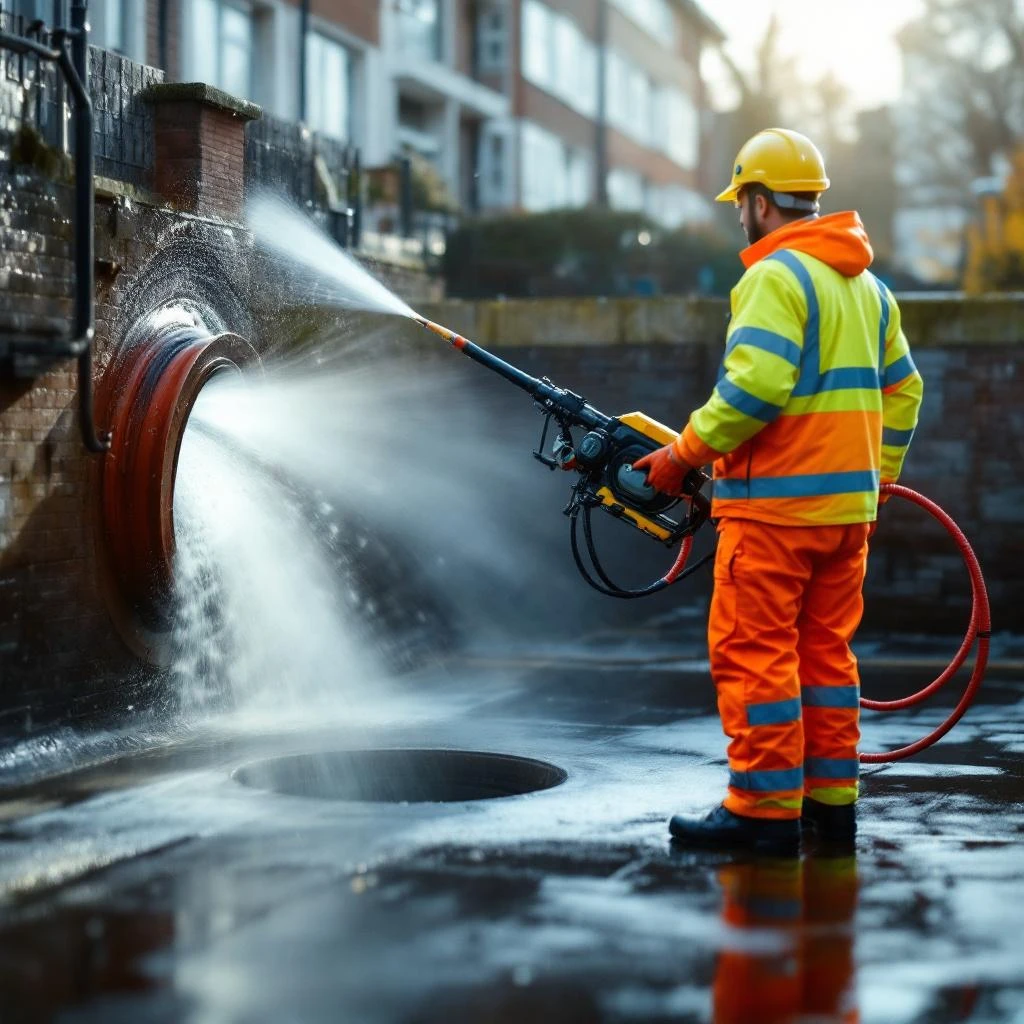
For properties with a history of blockages, older drainage systems, or clay soil ground conditions, annual drain jetting is genuinely cost-effective. A professional jetting session removes accumulated grease, scale, and debris before it reaches blockage severity — and costs a fraction of an emergency callout, let alone a CCTV survey and repair programme prompted by a complete failure.
Pre-Winter Drainage Check
Before autumn arrives, check that gutters and downpipes are clear and that surface water drainage around the property perimeter is unobstructed. Swindon's clay soils become waterlogged quickly in wet winters, and any restriction in surface drainage accelerates the problem. Clear downpipe shoes and gully gratings in October, before the heaviest leaf fall, not after.
What prevention costs vs what a blockage costs
Professional drain jetting every 12–18 months costs £150–£280 for a typical domestic property — proactively removing grease, scale, and root fragments before they cause a blockage. Compare that with reacting after the fact: a typical emergency callout runs £85–£260 depending on the job, and properties with recurring problems often pay for two or three of those in a single year.
| Approach | Typical cost |
|---|---|
| Preventive jetting (every 12–18 months) | £150–£280 |
| Reactive emergency callout (per visit) | £85–£260 |
Spent once every year or so, preventive jetting is consistently the cheaper option — and it avoids the disruption of an emergency altogether.
When to Stop DIY and Call a Professional
Some situations cannot be safely or effectively addressed with household remedies:
- Slow drainage in multiple fixtures at the same time — this indicates a shared blockage further down the pipe, beyond rod range
- Gurgling sounds from drains or toilets when no water is running — often a sign of partial sewer blockage or ventilation problems
- Sewage smells inside or outside the property — indicates a cracked or displaced pipe, not just a surface blockage
- Water backing up into sinks, baths, or showers despite clearing attempts
- Visible wet patches or subsidence near known drain runs in the garden
In any of these cases, a professional blocked drain service with jetting equipment and a camera will identify and resolve the problem definitively. Our team at Blocked Drains Swindon is available 24/7 across Swindon and the surrounding Wiltshire area — request help online.