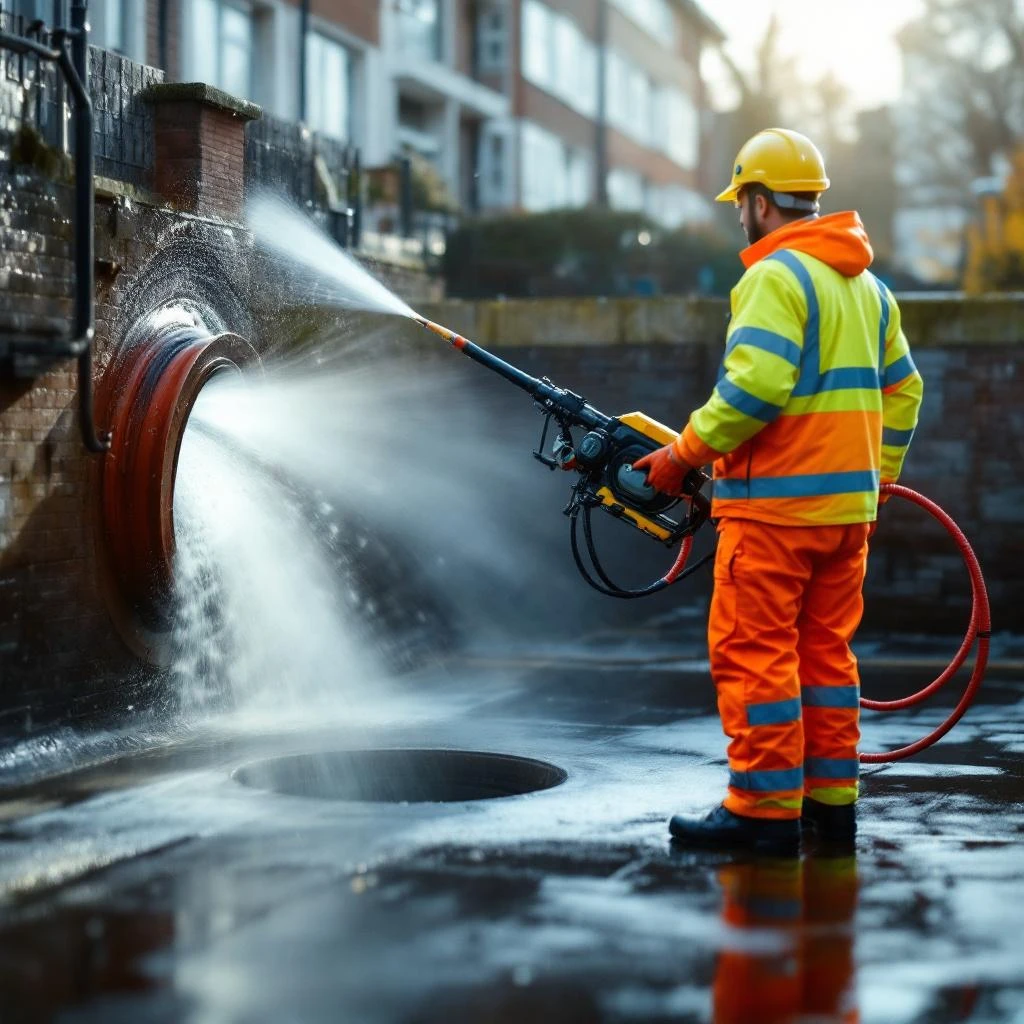
What is hydro jetting?
Hydro jetting (also called high-pressure water jetting in the UK) is a method of drain cleaning that forces water at very high pressure through a flexible hose fitted with a rotating nozzle. As the nozzle travels through the pipe, its rear-facing jets propel the hose forward while the forward and side-facing jets blast debris off the pipe walls in a full 360° sweep. The result is a pipe that is genuinely cleaned rather than just unblocked. Contrast that with drain rods, which punch a hole through a blockage and leave grease, scale, and residue coating the pipe walls — the very material that caused the problem in the first place.
Is hydro jet drain cleaning the same as high-pressure drain jetting?
Yes. Hydro jetting, hydro jet drain cleaning, sewer jetting, and high-pressure drain jetting are all names in common use for the same technique: clearing and cleaning a pipe using pressurised water fed through a flexible hose on a rotating nozzle. Whichever term you searched for, the equipment, the method, and the result are identical.
What does a sewer jetter remove?
A sewer jetter — the machine that powers hydro jetting — is effective against a wide range of drain deposits:
- Fats, oils, and grease — the most common cause of kitchen and commercial drain blockages
- Fine root masses — fibrous root growth that has penetrated pipe joints or cracks
- Limescale and mineral deposits — hard scale that narrows the pipe bore over time
- Silt and sand ingress — common in older clay drainage systems in Swindon
- Moss and algae — particularly in surface water drains and gullies
- Soap scum — accumulated soap residue that binds other debris together
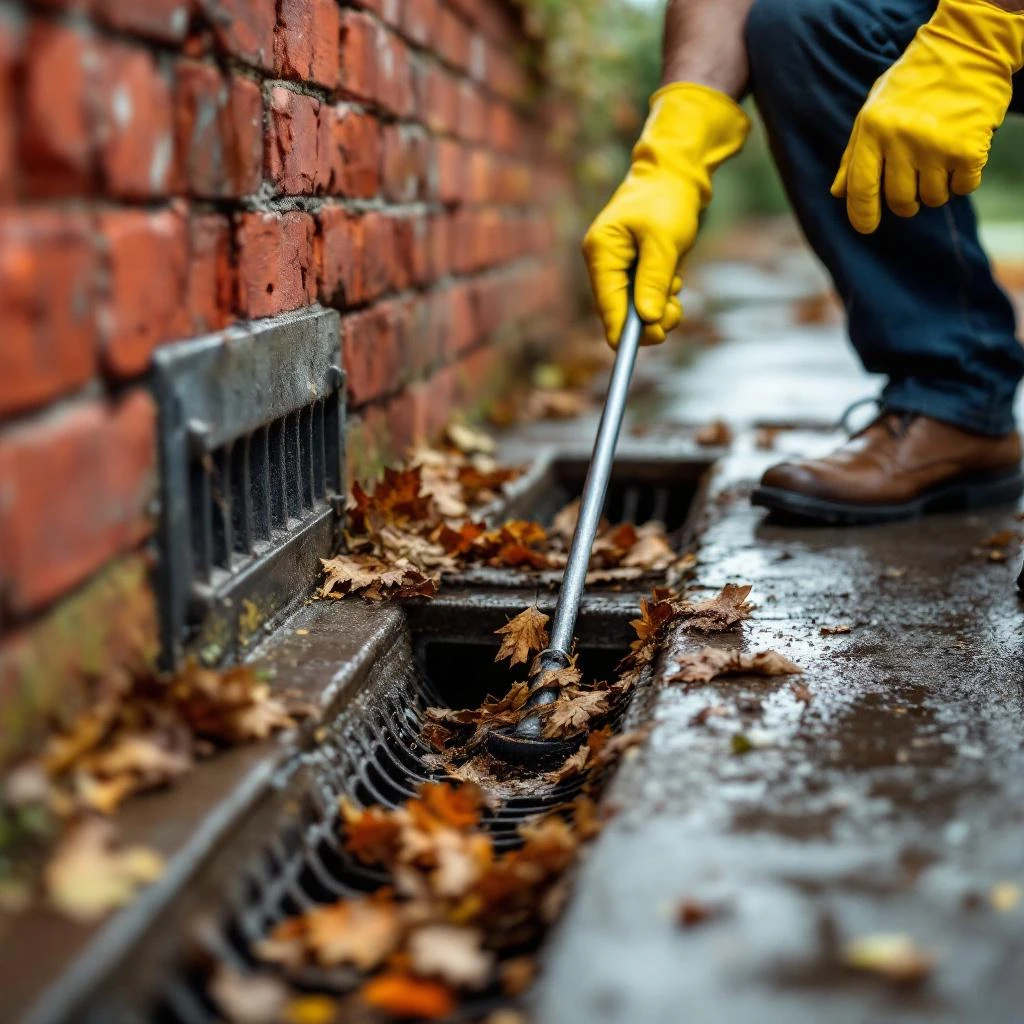
- Leaf debris and organic matter — seasonal build-up in outdoor drains
- Accumulated food waste — common in restaurant and catering kitchen lines
Hydro jetting vs drain rods: which is better?
Both have their place, but they are not equivalent.
Drain rods are the traditional tool — a series of rigid rods screwed together and pushed manually through the drain. They are affordable, accessible as a DIY option for confident homeowners, and effective against soft, localised blockages close to an access point. If a toilet is blocked by paper and you can reach the obstruction, rods will do the job.
Hydro jetting / high-pressure drain jetting offers a fundamentally different result. Rather than pushing a blockage further along the pipe or punching a temporary channel through it, jetting removes the material entirely and cleans the pipe wall. For grease-affected drains, recurring blockages, root fragment removal, or any situation where a permanent fix is required, a drain jetting service is the right choice.
The honest verdict: for a one-off soft blockage, rods may suffice. For recurring or stubborn blockages, grease-affected systems, or any drain that has blocked more than once in twelve months, high-pressure water jetting is the superior solution — and usually the cheaper long-term option once you stop counting repeated callout fees.
How much does hydro jetting cost?
Hydro jetting in Swindon typically costs £150–£280 for a domestic property, £220–£450 for a commercial job, and £220–£400 for a combined root-cutting, jetting, and camera visit. Request a fixed-price quote online and we confirm the figure before booking.
| Job type | Typical cost |
|---|---|
| Domestic drain jetting | £150–£280 |
| Commercial drain jetting | £220–£450 |
| Root cutting + jetting + camera | £220–£400 |
Compare that to the cumulative cost of repeated blockages: two or three callouts a year adds up quickly, and does nothing to address the underlying problem. A single jetting session that actually clears the pipe — and a CCTV drain survey to confirm the cause — is almost always better value.
For larger commercial sites, commercial drain jetting is priced on scope. Restaurants, food production facilities, and multi-unit residential buildings benefit most from scheduled jetting programmes that prevent blockages rather than reacting to them.
When do you need a sewer jetter?
Five scenarios where high-pressure water jetting is the right call:
- Recurring blockages — the drain clears, then blocks again within a few months. Jetting removes the root cause rather than temporarily restoring flow.
- Grease-affected kitchen or commercial drains — fat and grease cannot be shifted by rods. Only jetting scours it from the pipe walls.
- Root fragment removal after a CCTV survey — once a CCTV drain survey has confirmed root ingress, jetting removes the root mass before a structural repair or relining.
- Pre-relining pipe preparation — before pipe relining can be carried out, the pipe must be thoroughly cleaned. High-pressure jetting is the standard preparation step.
- Annual maintenance programme — for blocked drain problems that recur seasonally, or for commercial operators with a duty of care, a scheduled annual jet keeps the system clear year-round and avoids emergency callout costs.
Is hydro jetting safe for older pipes?
This is a reasonable concern, particularly in Swindon where many properties have older clay or pitch fibre drainage systems. The short answer is yes — when carried out by a professional using modern variable-pressure equipment.
Modern hydro jetting units allow engineers to adjust the operating pressure to suit the pipe condition. Older clay pipes, for example, are jetted at lower pressures than modern plastic or concrete systems. The key precaution is to carry out a CCTV drain survey first if there is any doubt about pipe condition — a survey will reveal whether pipes are in a state to withstand jetting. The one genuine exception is severely degraded pitch fibre, which can be brittle enough to warrant caution; in those cases, a survey always comes first and the pressure is set conservatively.
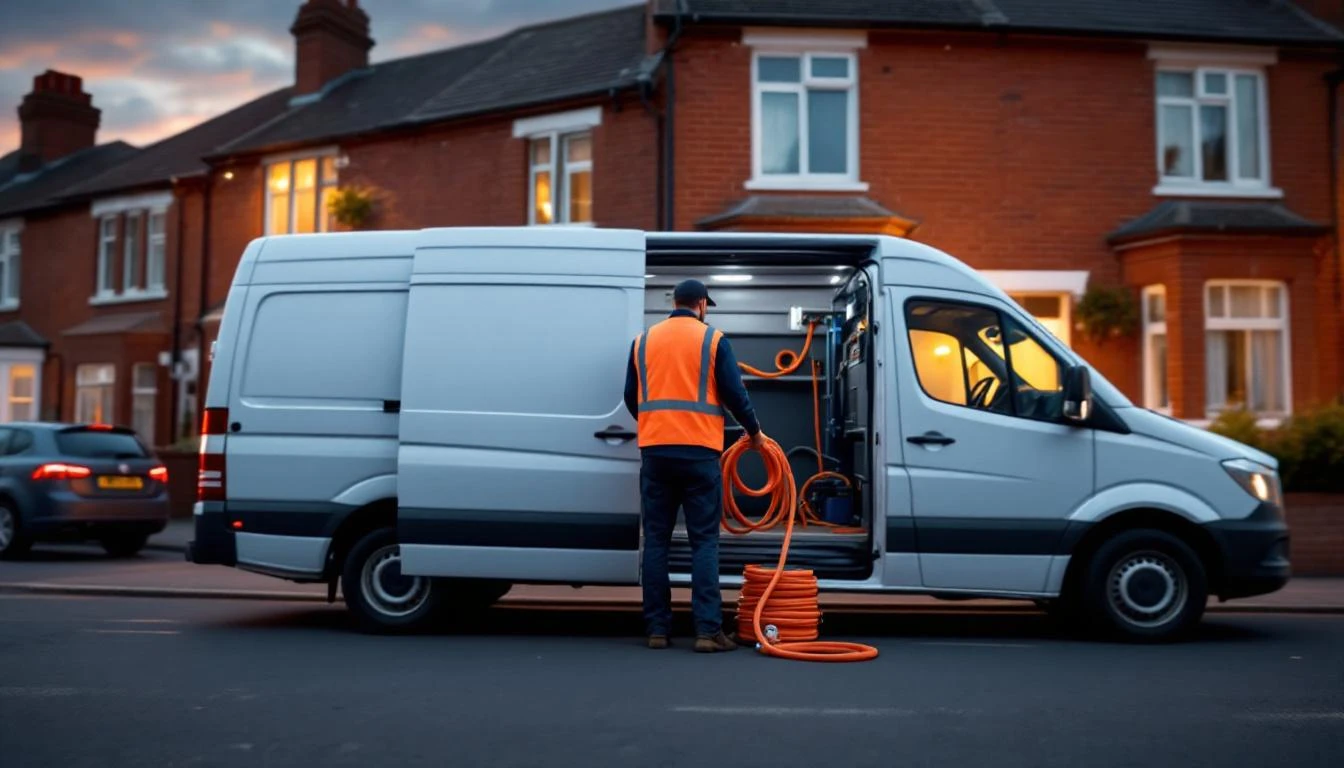
If you are dealing with a stubborn or recurring drainage problem in Swindon, Blocked Drains Swindon can help. Our engineers carry professional hydro jetting equipment on every vehicle and can carry out a CCTV drain survey on the same visit if needed. Request a quote online or visit our drain jetting services page to book.