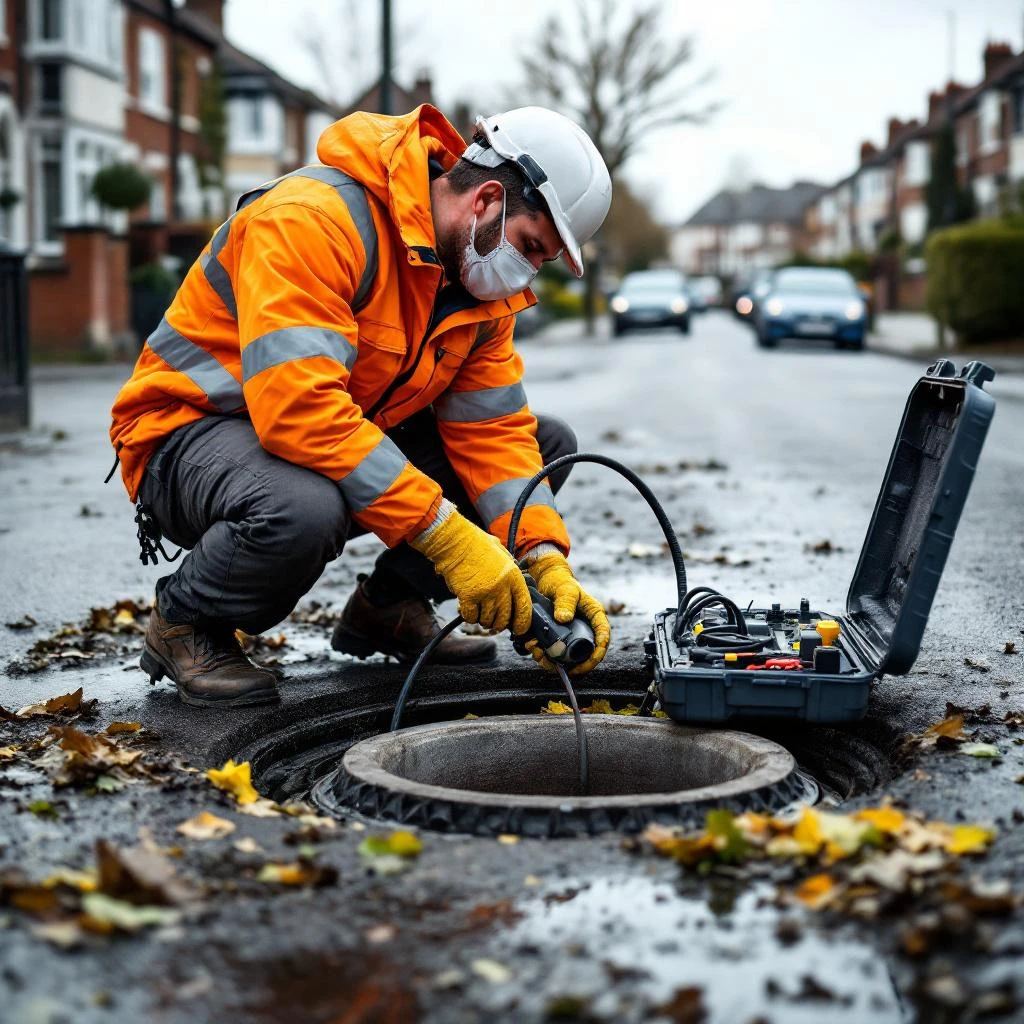
A CCTV drain survey puts a small camera inside your pipes. As a result, you see what is wrong instead of guessing. The camera travels along the drain and sends live pictures to a screen, so the engineer can spot faults that never show above ground.
What a survey shows
The camera finds cracks, slipped joints, roots, sagging sections and build-up on the pipe walls. It also shows where the pipe joins a shared sewer. Because the engineer records the footage, you can look at it later or send it to a builder or a buyer.
Many surveys end with a written report. The report lists each fault and says how serious it is, since that helps you plan the repair. Our guide to cracked and collapsed drain pipes explains how faults get graded.
When you need one
Book a survey when a drain keeps blocking after you clear it. A repeat blockage often means a fault in the pipe, not just debris. For example, roots or a broken joint can catch waste again and again.
You should also book one before you buy a house. A standard house survey does not send a camera down the drains, so a separate survey fills that gap, which matters because repairs cost money. Our guide to a pre-purchase drain survey explains why it matters.
Other good reasons include damp patches in the garden, a sunken path or a bad smell outside, since these can signal a leak. A survey after a root problem shows how far the damage runs. Read about tree roots in drains if you suspect that cause.
How long it takes and what it costs
A single-run survey typically takes 30–60 min and typically costs £90–£160. A full domestic survey with a report typically takes 45–90 min and typically costs £180–£320. A pre-purchase survey typically costs £220–£380.
These are typical ranges, so your price depends on the property and the report you need. We confirm a fixed price before booking. For a fuller breakdown, see our CCTV drain survey cost guide.
What happens on the day
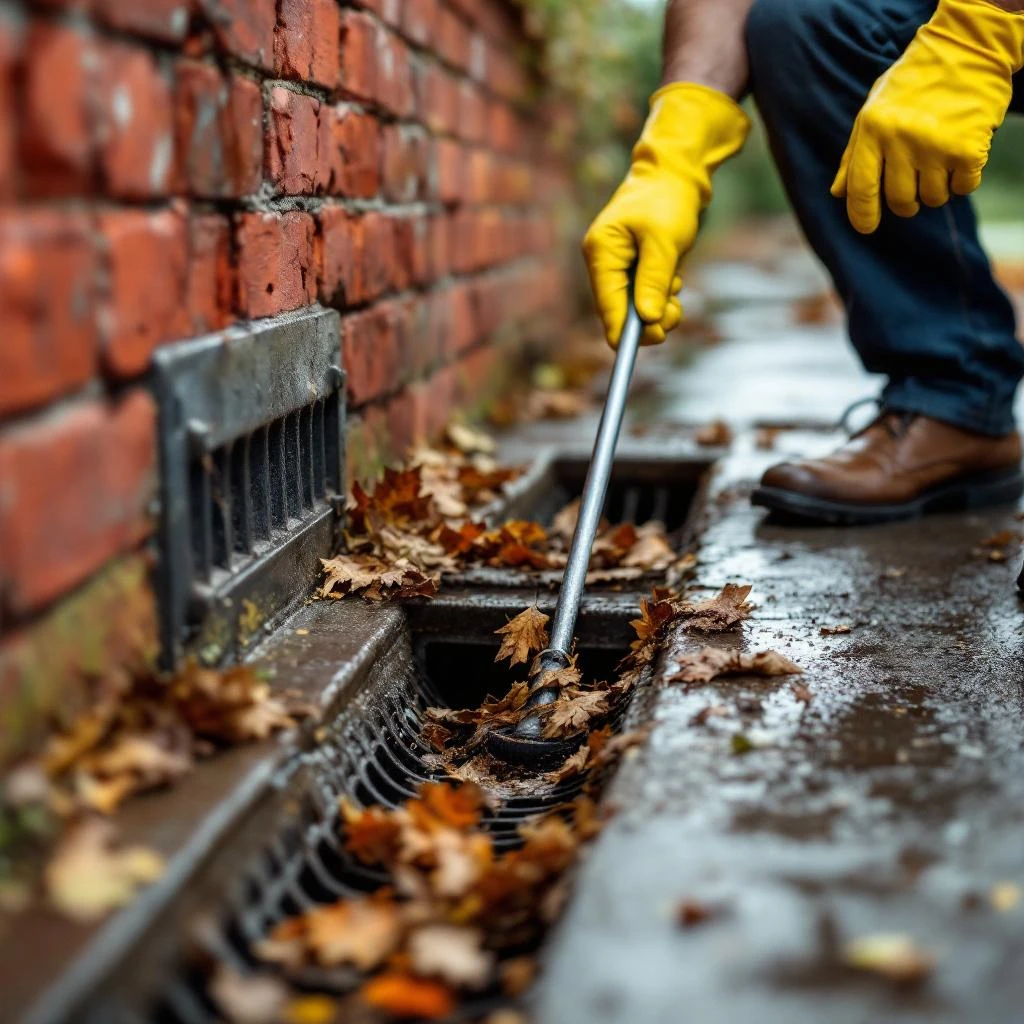
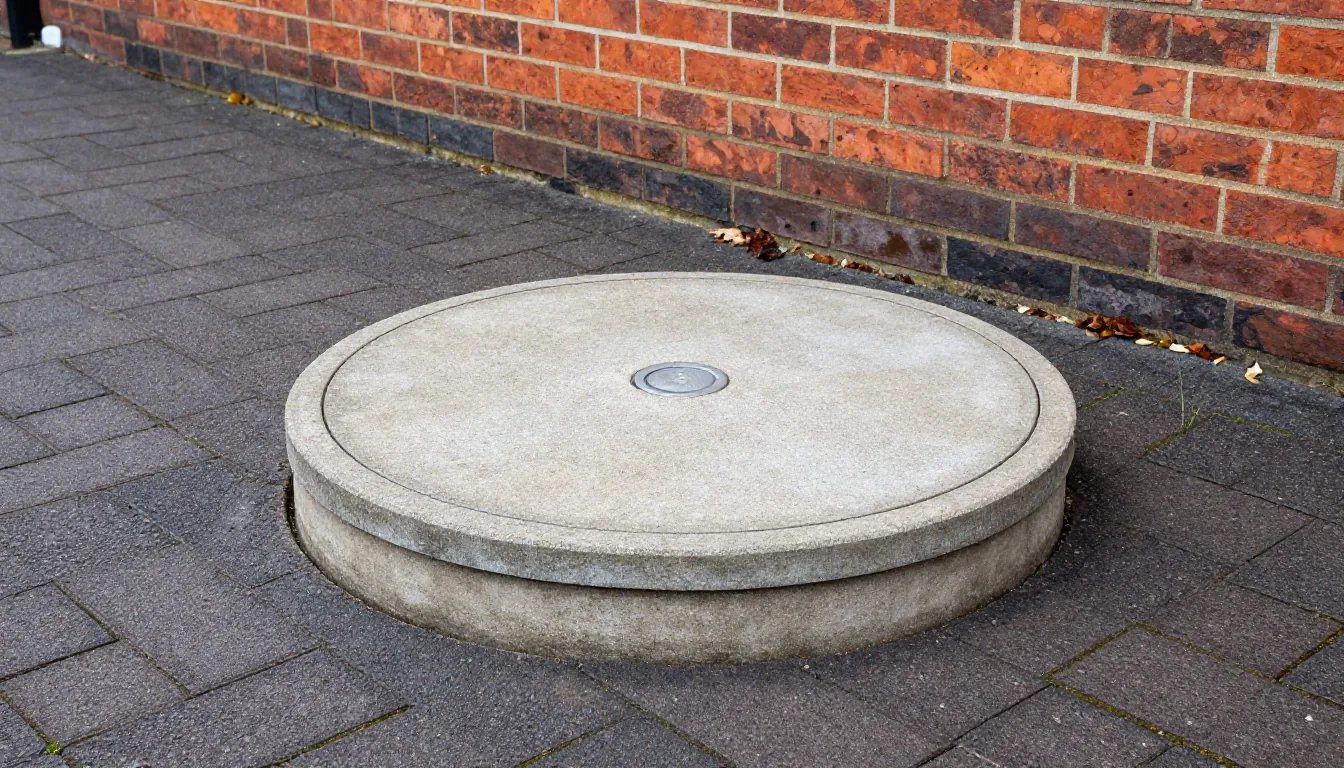
The engineer lifts an inspection cover or uses a gully to feed the camera in. First, they clear any loose debris so the picture is clear. Then they push the camera along the pipe and note each fault with its position.
You can watch the screen and ask questions as it runs. When the survey ends, the engineer explains what they saw, because you should understand each fault. If the pipe needs repair, a relining job may fix it without digging.
Reading the report
A good report is easy to follow. It lists each fault, says where it sits along the pipe and shows a picture. Because each item has a position, a repair crew can find it again.
The report may also grade each fault from minor to severe. You can then decide what needs fixing now and what can wait. For example, a small crack may only need watching, while a collapsed section needs action.
Keep the report with your house papers. It helps if you sell, since it shows the state of the drain on the day we visited. Our other guides explain what each repair involves.
Why a camera beats guessing
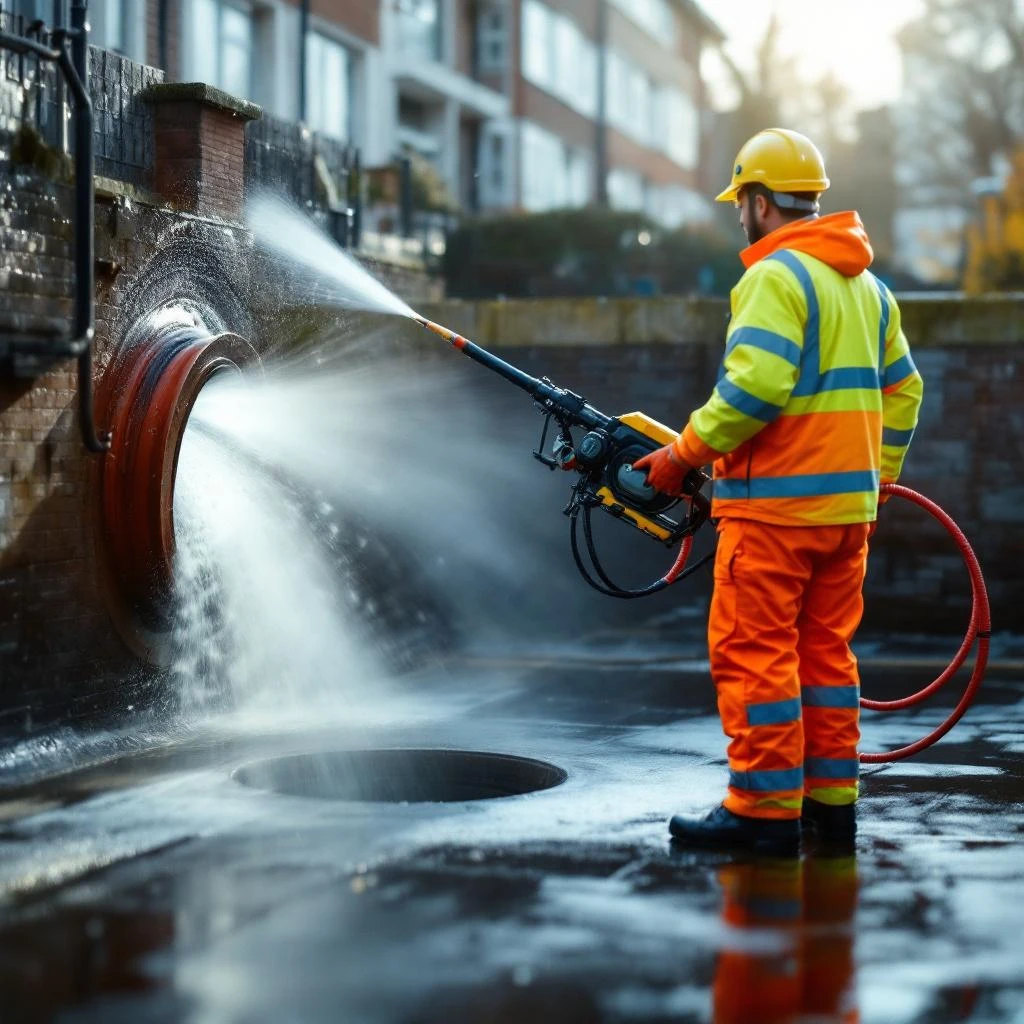
Without a camera, an engineer works blind. Because the pipe sits underground, rods and jets only tell part of the story. A camera shows the real cause, so the fix matches the fault.
For example, a drain may clear after jetting, yet block again in a month. In that case, the camera may show a broken joint that catches waste. Similarly, a smell outside may come from a crack, not a blockage.
Who should book a survey
Owners with repeat blockages should book one. So should buyers, and so should anyone planning an extension over a drain. Since building work can crush or cover a pipe, check the route first.
Book a survey near you
Our CCTV drain survey service covers the whole area. We carry out drain surveys in Swindon, plus CCTV checks for Stratton Saint Margaret homes and camera surveys around Lydiard Millicent. Send your address and a short note through the contact form and we will confirm a fixed price.